- Jul 19
Chambers of the Cosmos: Interpreting the Houses of Life, Relationships, Wealth, and Endings
- Spheres of Fate Astrology
Your astrological birth chart reflects the unfolding story of your life. The house system is essential to that story because it reveals where events take place. Each house corresponds to a distinct area of experience, such as your workplace, home environment, or marriage. The astrological wheel begins with house 1 (where the ascendent angle is located), representing oneself, and expands outward from there to cover all areas of life. Though each house has a plethora of its own associations and meanings, ancient astrologers placed these houses into categories based on foundational principles and observations to capture their essence. Some houses are more favorable than others, based on their angular relationship with the ascendent.
The following blog will outline the four major house categories and how they apply to your natal promise (the fate defined in your birth chart) and the current events transpiring in your life. It is important to mention that the presence of planets, lunar nodes, or asteroids in a specific house of your chart directs extra energy towards that particular area of life. However, empty houses still carry meaning in your birth chart because each house is occupied by a zodiac sign and guided by a planetary ruler. Interpreting a birth chart is an intricate process where all factors contribute to the overall story of your life. Remember that your birth chart is a combination of influences. You must combine the meaning of a planet with the symbolism of the house it is placed in to begin interpretation.
Houses of Life (Houses 1, 5, and 9)
The Houses of Life reflect favorable places where self-discovery, adventure, creativity, and passion unfold. The 1st house reflects oneself, personality, appearance, and conditioning. The 5th house represents one's children, creativity, self-expression, hobbies, recreation, and dating experiences. The 9th house reflects one's higher education, ethics, belief system, long distance travels, and adventures. Ancient astrologers considered these houses to be fortunate, as houses 5 and 9 trine the ascendant (which represents the individual), and the trine aspect brings opportunities and ease.
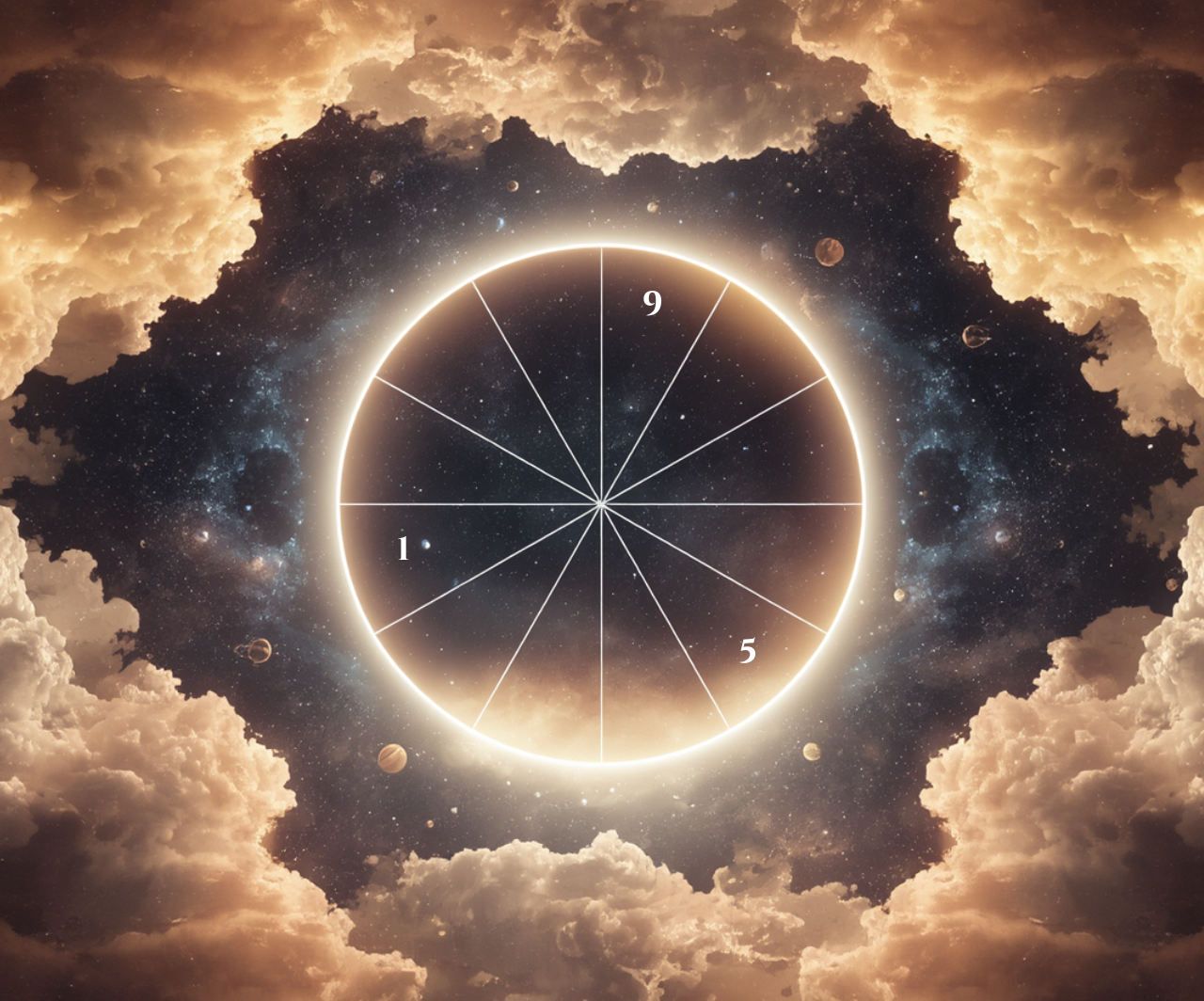
Natal planets in houses of life: Individuals who have planets in one or more of the houses of life are fortunate, as part of their life's journey includes exploring their preferences, talents, and beliefs. Example: an individual has Venus in the 1st house and pursues their passion for fashion.
Transiting planets impacting houses of life: Quick transits such as weekly transits activate these areas of your life routinely, even if you don't have planets in the houses of life. These are time frames where you can receive creative inspiration, discover a new philosophy, or switch up your appearance. Example: the Moon transits an individual's 5th house for two and a half days, and they get invited on a few dates during this time frame. Long-term transits activate these areas of your life for an extended period of time. Example: Jupiter transits an individual's 9th house for a year and they receive an opportunity to study abroad. You can learn more about the nuances of transits in the blog post linked here.
Houses of Relationships (Houses 3, 7, and 11)
The Houses of Relationships represent supportive places where learning, communication, short distance travels, and social connections bloom. The 3rd house represents an individual's communications, siblings, relatives, transportation, short distance travels, local community, neighbors, neighborhood, learning, and mindset. The 7th house represents one's close relationships, partnerships, opponents, contracts, marriage, life partner, and relational experiences that serve as a mirror. The 11th house reflects one's friends, social group, online communities, altruism, and future aspirations. Ancient astrologers considered these houses to be fairly complimentary as well, as houses 3 and 11 sextile the ascendent (which represents the individual), and the sextile aspect brings positive potential and support. The 7th house poses an opposition to the ascendent, a more tense aspect that encapsulates the mirroring effect relationships can present. Others can reflect back parts of ourselves that we haven’t yet integrated. The 7th house is where one confronts these unintegrated energies, through relationship dynamics.
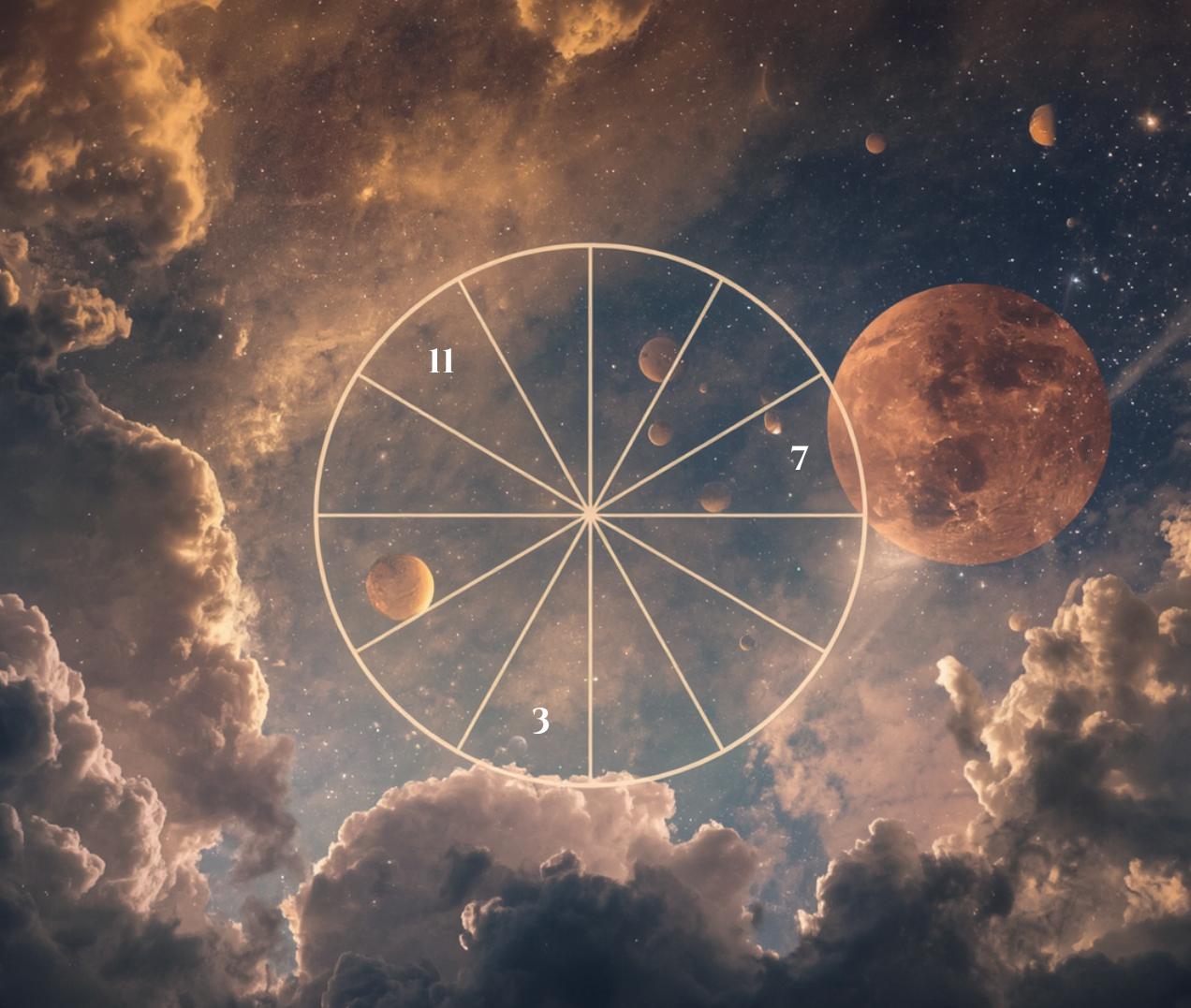
Natal planets in houses of relationships: For individuals who have planets in one or more of the houses of relationships, part of their life's journey includes exploring their connections, mindset, social stances, and partnerships. Example: an individual has Mercury in the 11th house and becomes a journalist for social causes.
Transiting planets impacting houses of relationships: Quick transits such as weekly transits activate these areas of your life routinely, even if you don't have planets in the houses of relationships. These are time frames where you may venture around town, connect with others, or experience an increase of communications. Example: the Moon transits an individual's 3rd house for two and a half days, and they host a gathering with their neighbors sometime during this time frame. Long-term transits activate these areas of your life for an extended period of time. Example: Uranus transits an individual's 7th house for eight years and they break free from restrictive relationships during this time frame.
Houses of Wealth (Houses 2, 6, and 10)
The Houses of Wealth represent mundane places where money, work, service, and reputation materializes. The 2nd house represents an individual's income, finances, self-worth, resources, values, material possessions, and security. The 6th house represents one's health, diet, daily routines, fitness, pets, chores, service, co-workers, and work environment. The 10th house reflects one's authority figures, career, reputation, public status, and long-term goals. Ancient astrologers considered these houses to be challenging, as houses 2 and 6 are in aversion to the ascendent (which represents the individual), and this inconjunct aspect signals disparate energies that don't merge effortlessly with the individual. The 10th houses poses a square to the ascendent, a more tense aspect that encapsulates the hard work careers can require. One's duties can challenge their autonomy. The 10th house is where one puts in effort towards long term goals.
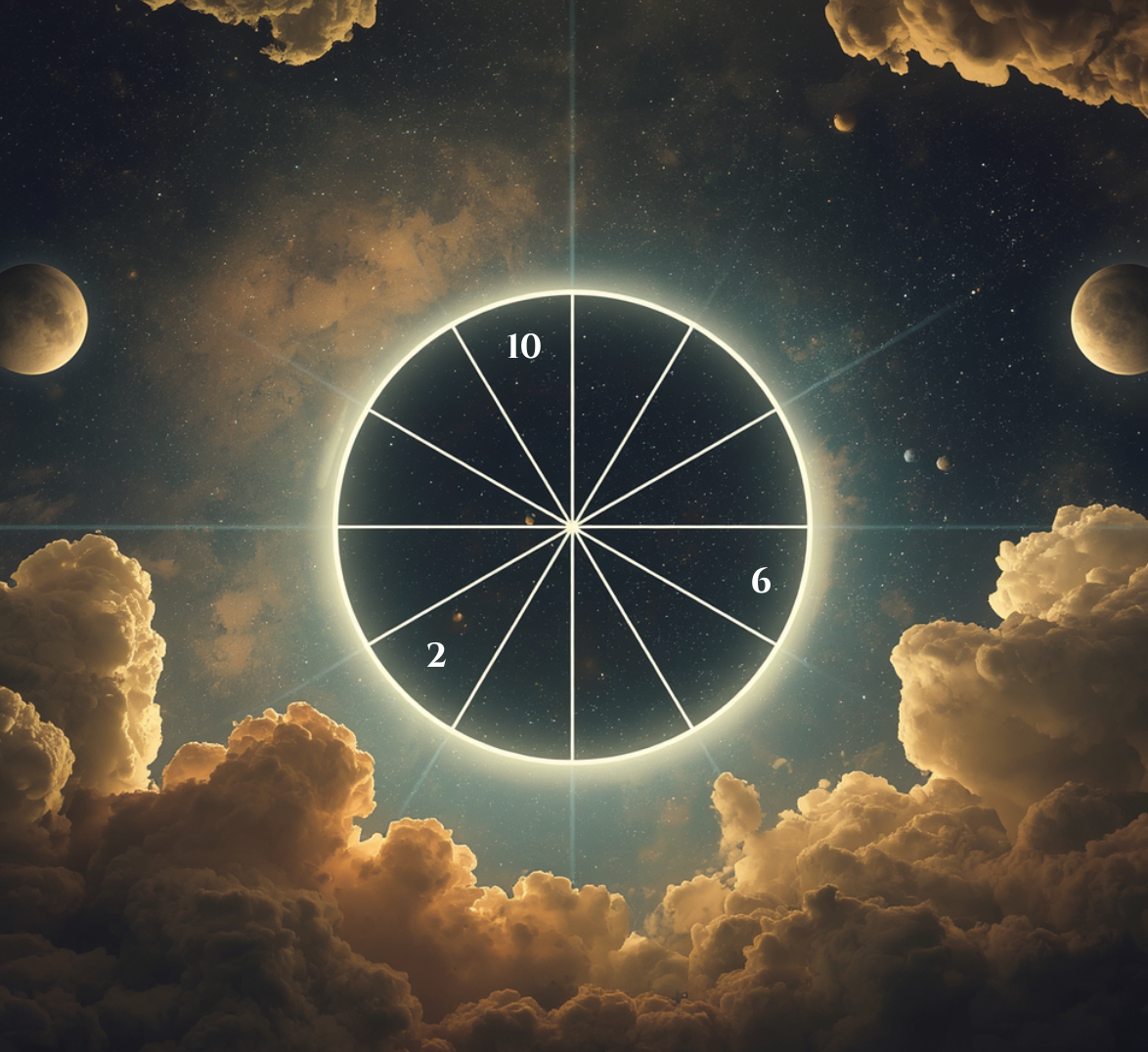
Natal planets in houses of wealth: For individuals who have planets in one or more of the houses of wealth, part of their life's journey includes navigating material reality, working towards goals, and finding security. Example: an individual has their Sun in the 6th house and directs a lot of their energy towards providing services for others.
Transiting planets impacting houses of wealth: Quick transits such as weekly transits activate these areas of your life routinely, even if you don't have planets in the houses of wealth. These are time frames where you may pay a bill, complete chores, or meet with your boss. Example: the Moon transits an individual's 10th house for two and a half days, and they work overtime during this time frame. Long-term transits activate these areas of your life for an extended period of time. Example: Neptune transits an individual's 2nd house for fourteen years and they dissolve certain streams of income during this time frame.
Houses of Endings (Houses 4, 8, and 12)
The Houses of Endings depict hidden places where your foundations, family, mental health, and subconscious patterns reside. The 4th house represents an individual's home, family, upbringing, ancestry, foundations, privacy, and environment. The 8th house represents one's psyche, enmeshed resources (a partner's finances, inheritances, insurances, taxes, investments, etc), trauma, mortality, transformation, and occult topics. The 12th house represents subconscious patterns, sleep, dreams, spirituality, contact with spirit, hidden events, places removed from everyday reality (such as hospitals, retreats, rehab, etc), and self-sabotage. Ancient astrologers considered these houses to be fairly challenging, as houses 8 and 12 are in aversion to the ascendent (which represents the individual), and this inconjunct aspect signals disparate energies that don't merge effortlessly with the individual. The 4th houses poses a square to the ascendent, a more tense aspect that encapsulates the effort tending to one's home and family requires. One's environment can shape their conditioning strongly. The 4th house is where one puts in effort towards building foundations.
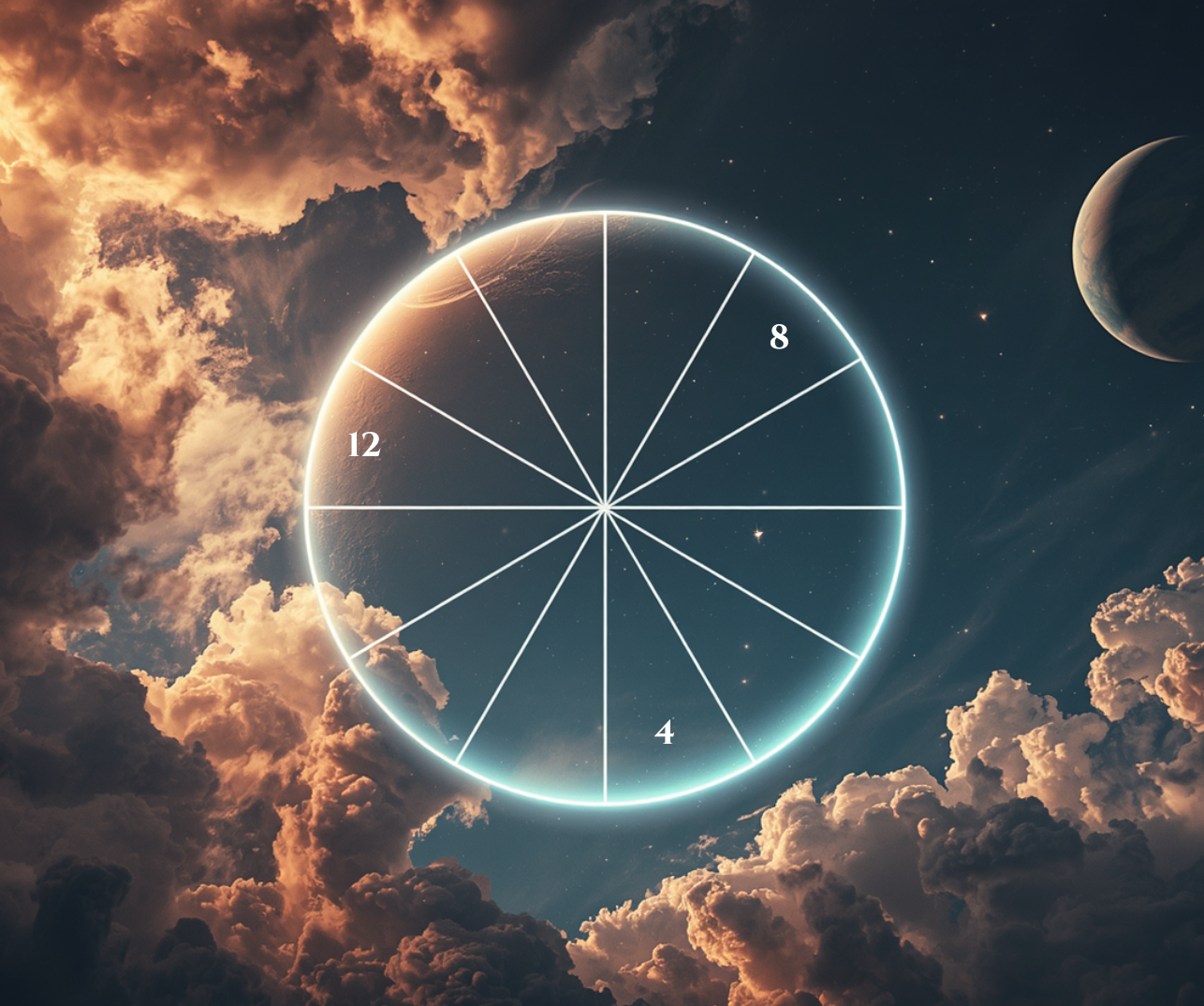
Natal planets in houses of endings: For individuals who have planets in one or more of the houses of endings, part of their life's journey includes navigating the depths of the human experience, immaterial energies, and retreating into healing spaces. Example: an individual has their Moon in the 4th house and is a caretaker for family.
Transiting planets impacting houses of endings: Quick transits such as weekly transits activate these areas of your life routinely, even if you don't have planets in the houses of endings. These are time frames where you may tend to your mental health, confront shadows, or need more rest. Example: the Moon transits an individual's 8th house for two and a half days, and they go to therapy sometime during this time frame. Long-term transits activate these areas of your life for an extended period of time. Example: Pluto transits an individual's 12th house for twenty years and they uncover destructive subconscious patterns during this time frame.
Notes to keep in mind while interpreting your natal chart
It is important to remember that everyone's birth chart contains all twelve houses. If you don't have a planet in a particular house, that doesn't mean that the topics of that house do not show up in your life. All houses in a birth chart are occupied by a zodiac sign and are ruled by a corresponding planet. The specific significations of that zodiac sign and planet will play out in your life. Having a planet in a certain house simply adds even more focus to that house. Additionally, each planet in astrology has a different meaning, some more challenging than others. Whether you're interpreting the planets in your birth chart or the planets transits in real time, it's crucial to understand their fundamental associations. For example, if you have Jupiter (a benefic planet) in a difficult house such as the 12th house, the negative associations of that house won't be quite as challenging as they would normally be. In this case, 12th house topics such as self-sabotage could serve as a learning experience and worst case scenarios could be avoided much easier than if a malefic planet were to occupy that kind of house.
Keep in mind that a planet's significations will manifest in the specific area of life governed by the house it's placed in. For example, individuals with Venus in Leo typically attract lively relationships, share their creativity, and enjoy life out loud. Though, if this placement lands in the 12th house- a hidden house of endings- this flamboyance operates in an elusive setting. In this case, the individual's passions are obscured from full view in some way- they could have secret relationships, hidden talents, or channel their warm energy towards something transcendental like a spiritual art. On the contrary, if Venus in Leo is placed in the 10th house, this energy manifests in public and ambitious environments- fueling success in career, attracting attention to special talents, and tying relationships to one's public reputation. It's worth mentioning that any aspects to these placements will also play a key role in determining their expression.
Interpreting transits to your natal chart
Each transit holds a unique energy depending on the planet's nature and the condition of the planet. For example, Saturn transits tend to be more challenging because Saturn is a malefic planet in nature, whereas Jupiter transits tend to be more positive because Jupiter is a benefic planet in nature. Though, each planet thrives in certain zodiac signs and experiences more challenges in certain zodiac signs, which plays a big role in the expression of these energies. The way each transit interacts with your unique natal chart will factor into the interpretation as well. For example, if you have a night chart, Venus transits will be even more beneficial than Jupiter transits. You can learn more about transits here. You can also check out the blogs dedicated to the nuances of day and night charts to learn the difference between the two.
Additional categories
There are other ways the houses can be categorized in astrology. For instance, they can also be classified as cadent, angular, and succedent houses- labels that describe the type of activity each place promises. Furthermore, some houses were labeled as "malefic" in nature in traditional astrology, as these houses have heavier associations that can reflect unfortunate circumstances in one's life. Likewise, some houses were labeled as "benefic" in nature in traditional astrology, as these houses have smoother significations that can reflect favorable circumstances in one's life. Ultimately, each house in astrology holds a unique energy that shapes your journey in life.
Download a FREE reference guide here to begin decoding the planets in your birth chart.
Credits:
Photos: © Canva via Magic Media AI